
The entertainment industry is undergoing a significant transformation. Traditional arcade models are being challenged by new attractions that combine modern technology, interactive experiences, and social engagement. Leading this trend is the handheld gaming machine – a premium arcade console designed specifically for commercial environments. What makes this trend particularly exciting is the growing popularity of the handheld gaming machine 2-player, a product that is reshaping the landscape of modern entertainment centers.
This article provides a comprehensive analysis of why the handheld gaming machine represents one of the most attractive investment opportunities in the entertainment sector, with particular emphasis on the handheld gaming machine 2-player model and its unique ability to attract and retain customers.
PART 1: UNDERSTANDING THE HANDHELD GAMING MACHINE
1.1 What Is a Handheld Gaming Machine?
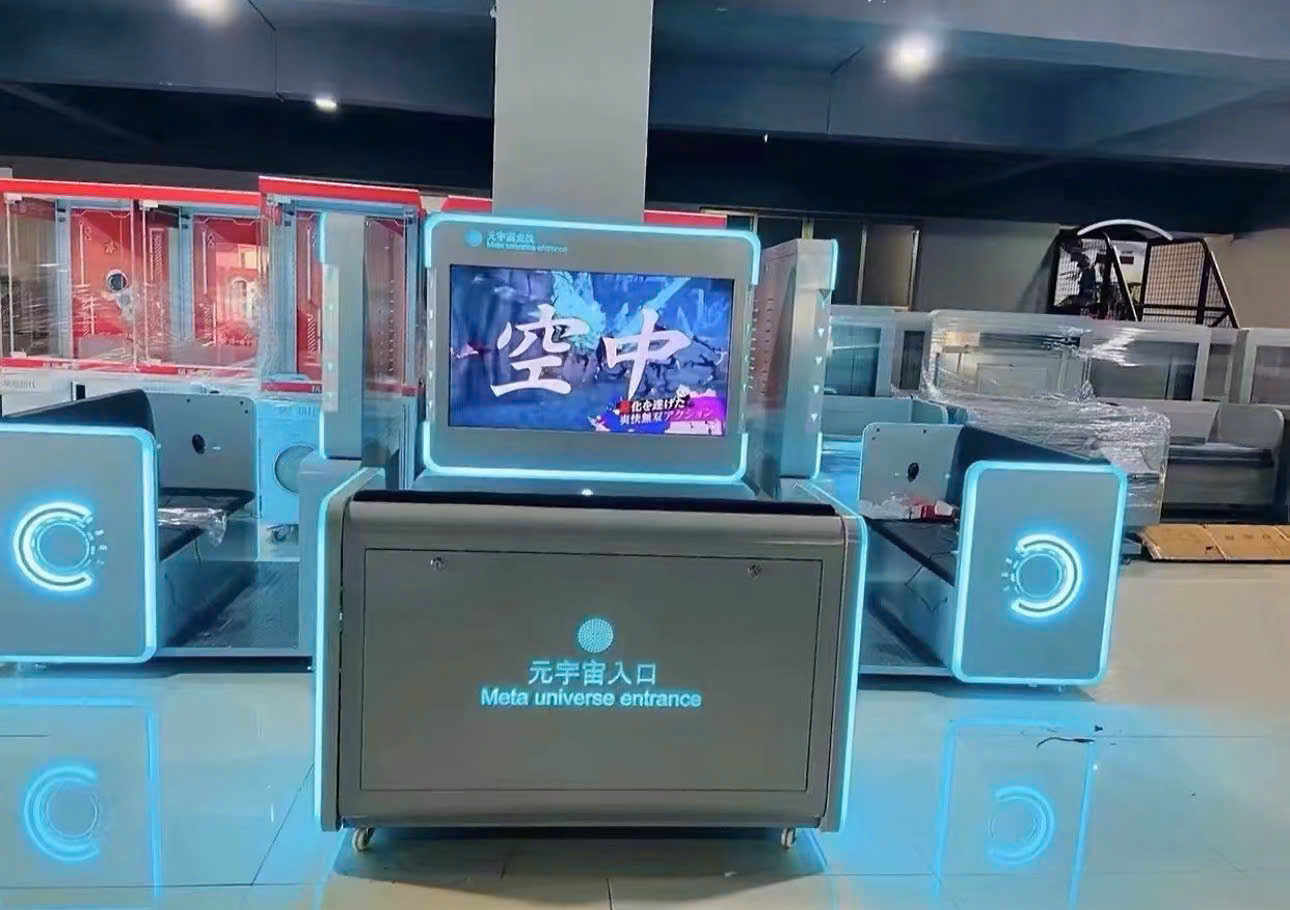
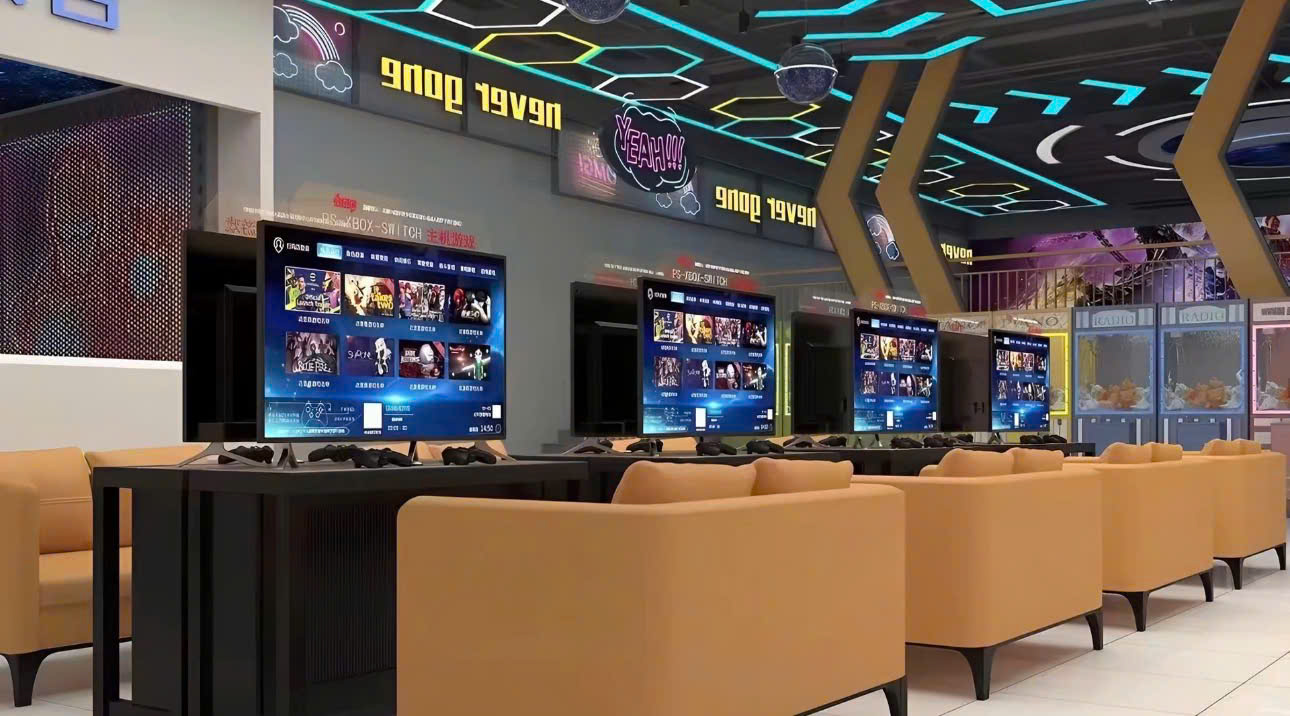
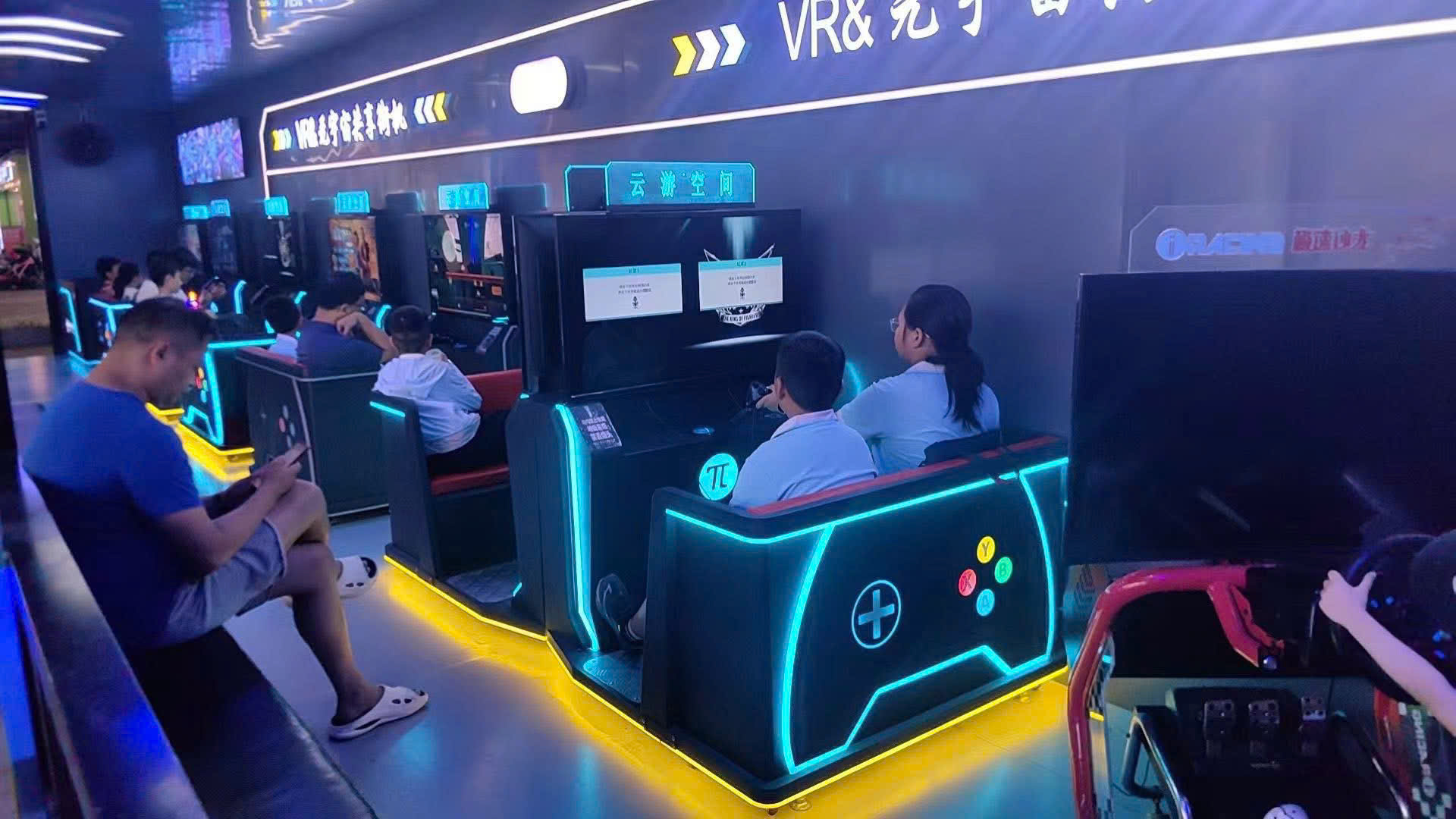
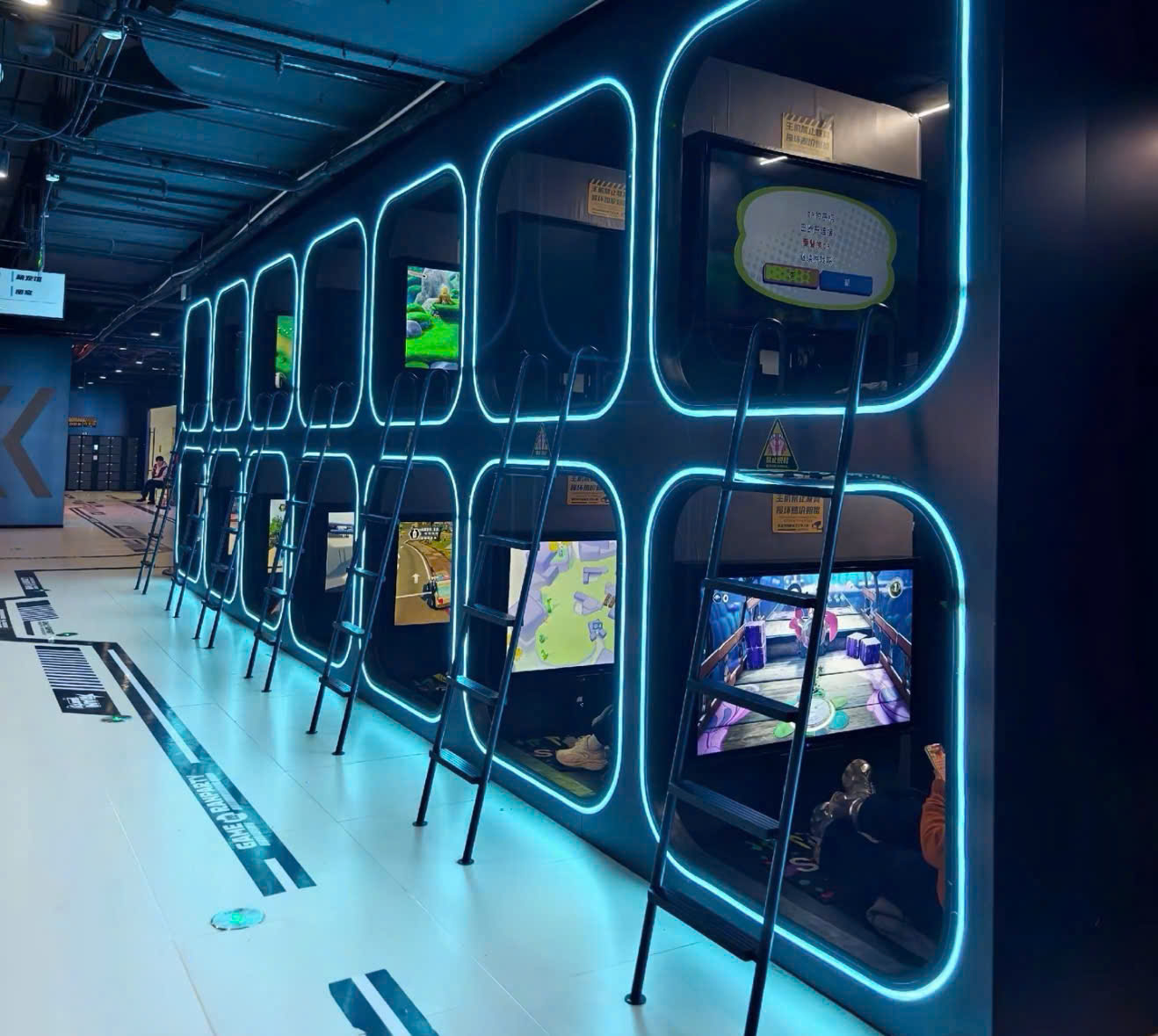
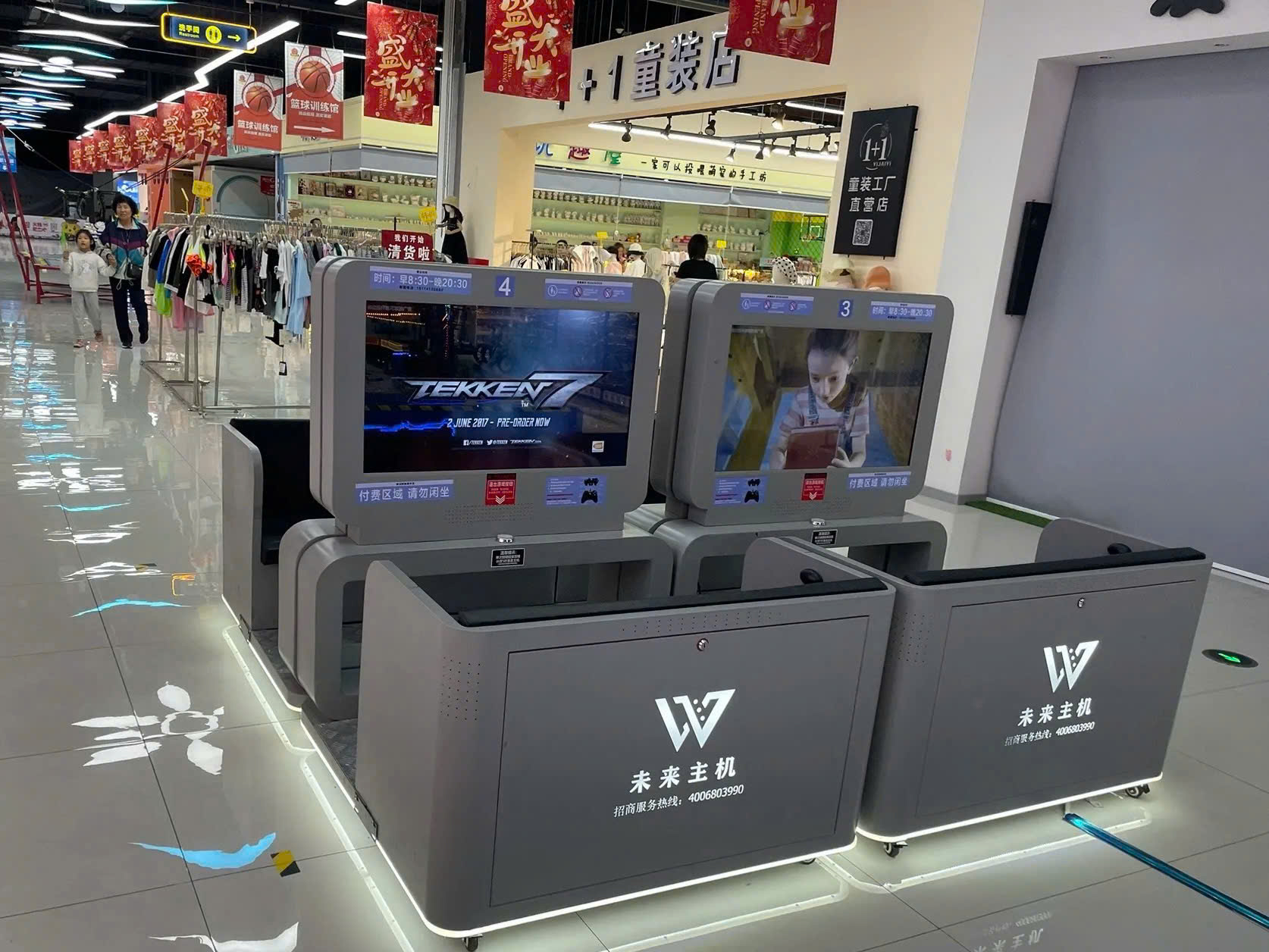
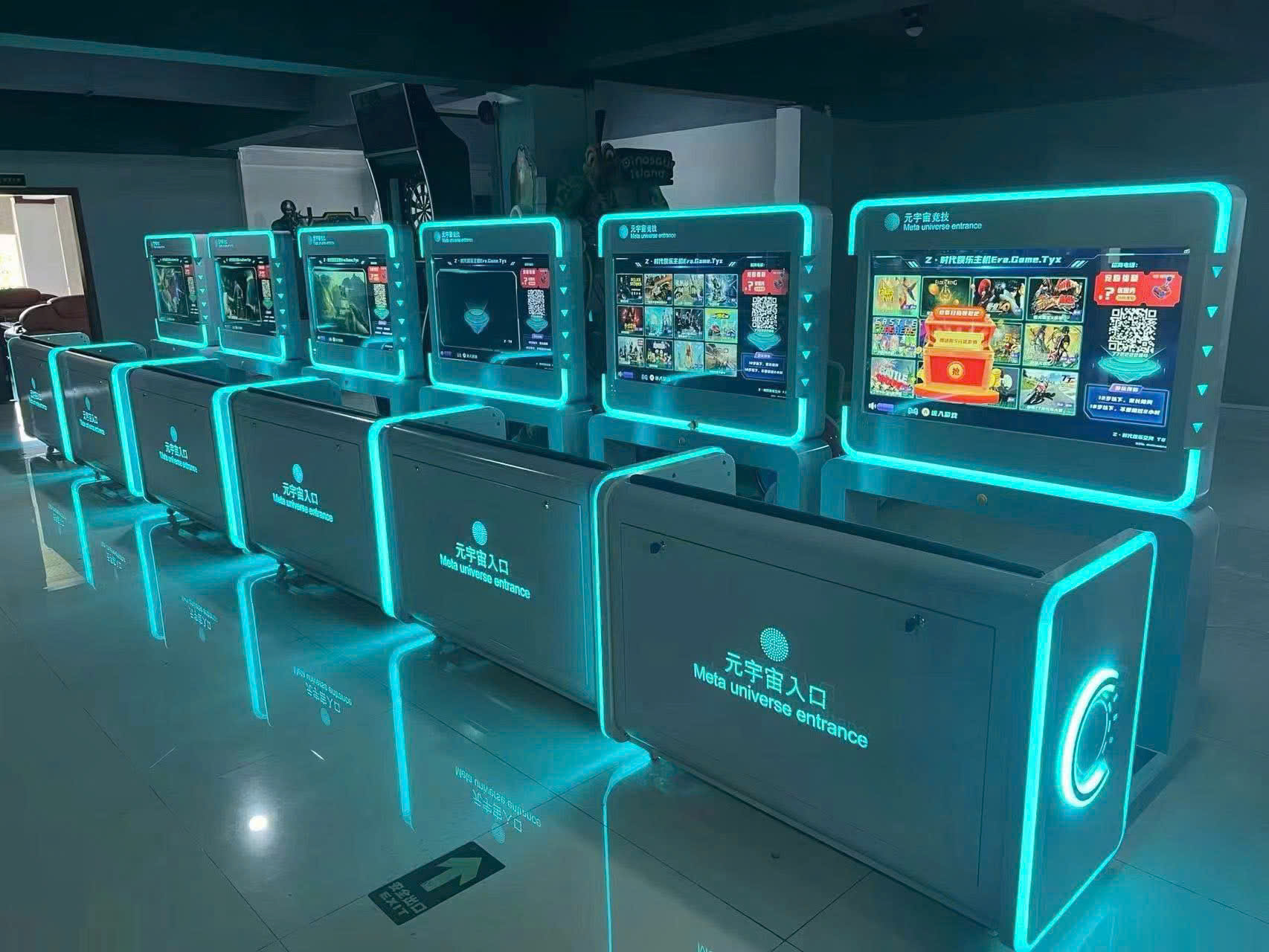
In the context of game centers, a handheld gaming machine is not a portable consumer console like the Nintendo Switch. Instead, it is a professional-grade arcade station featuring large high-definition screens, premium ergonomic seating with leather upholstery, professional wireless controllers with low latency, a vast library of 500+ AAA games, durable metal construction for public use, and integrated reward and redemption systems.
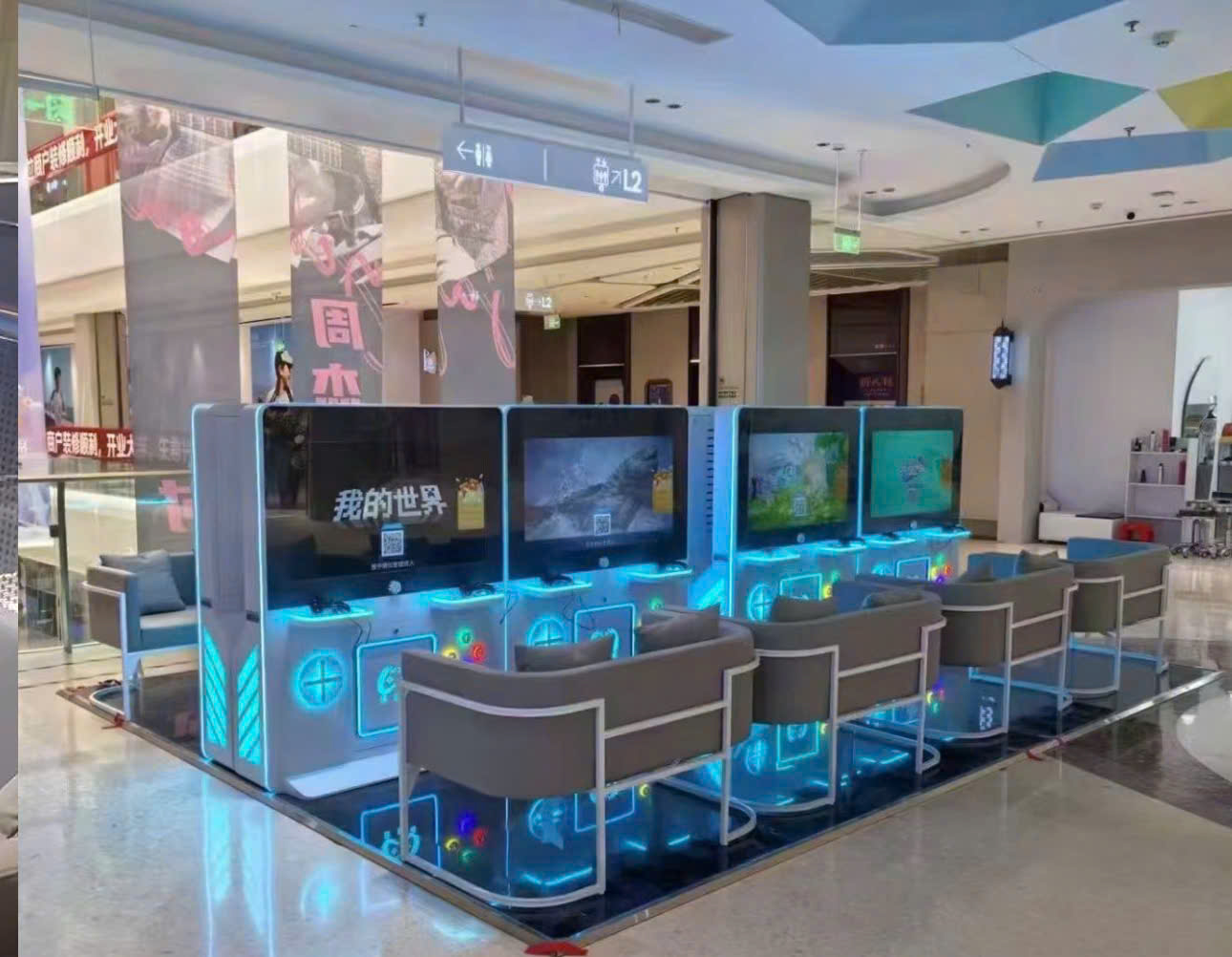
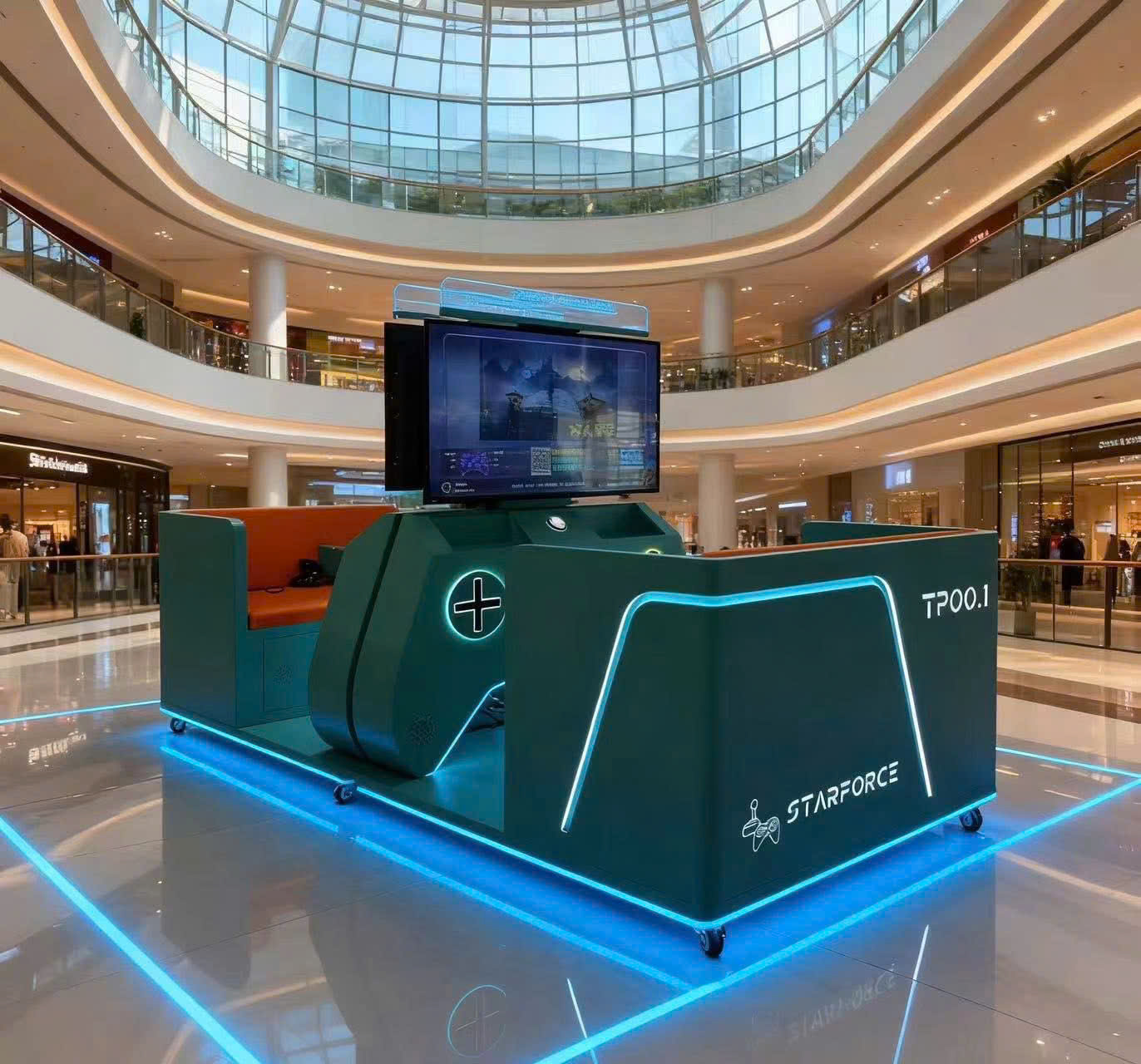
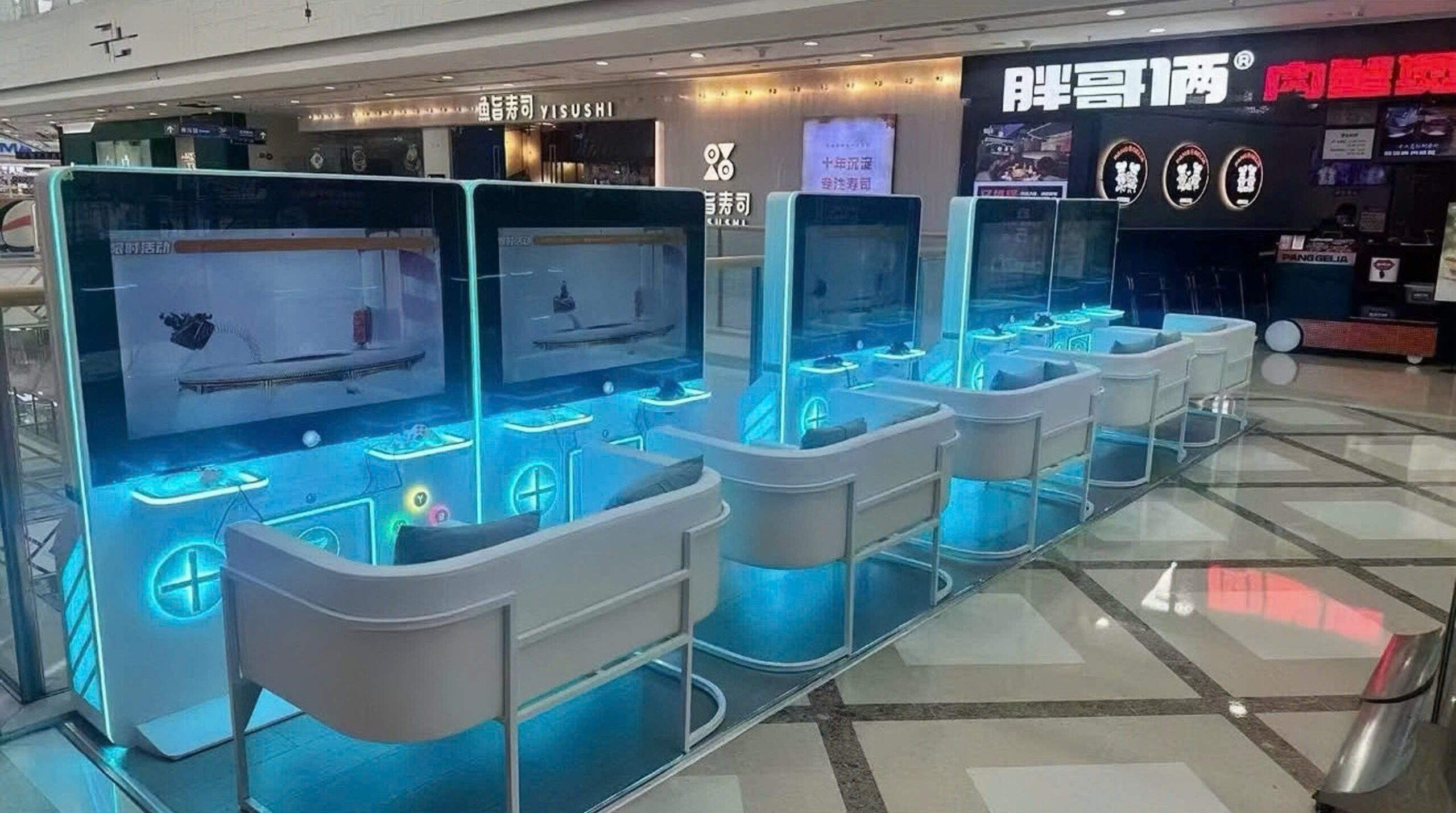
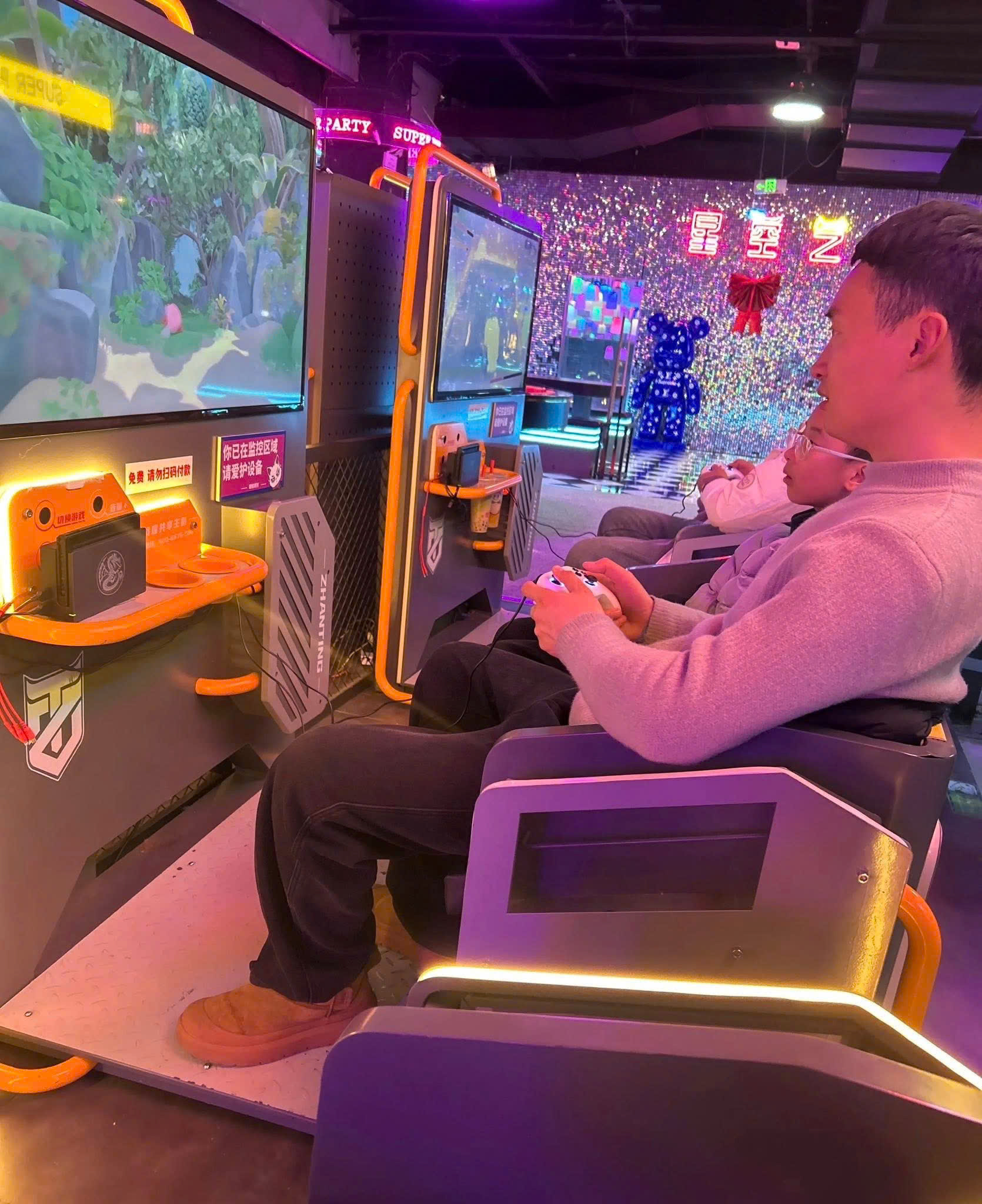
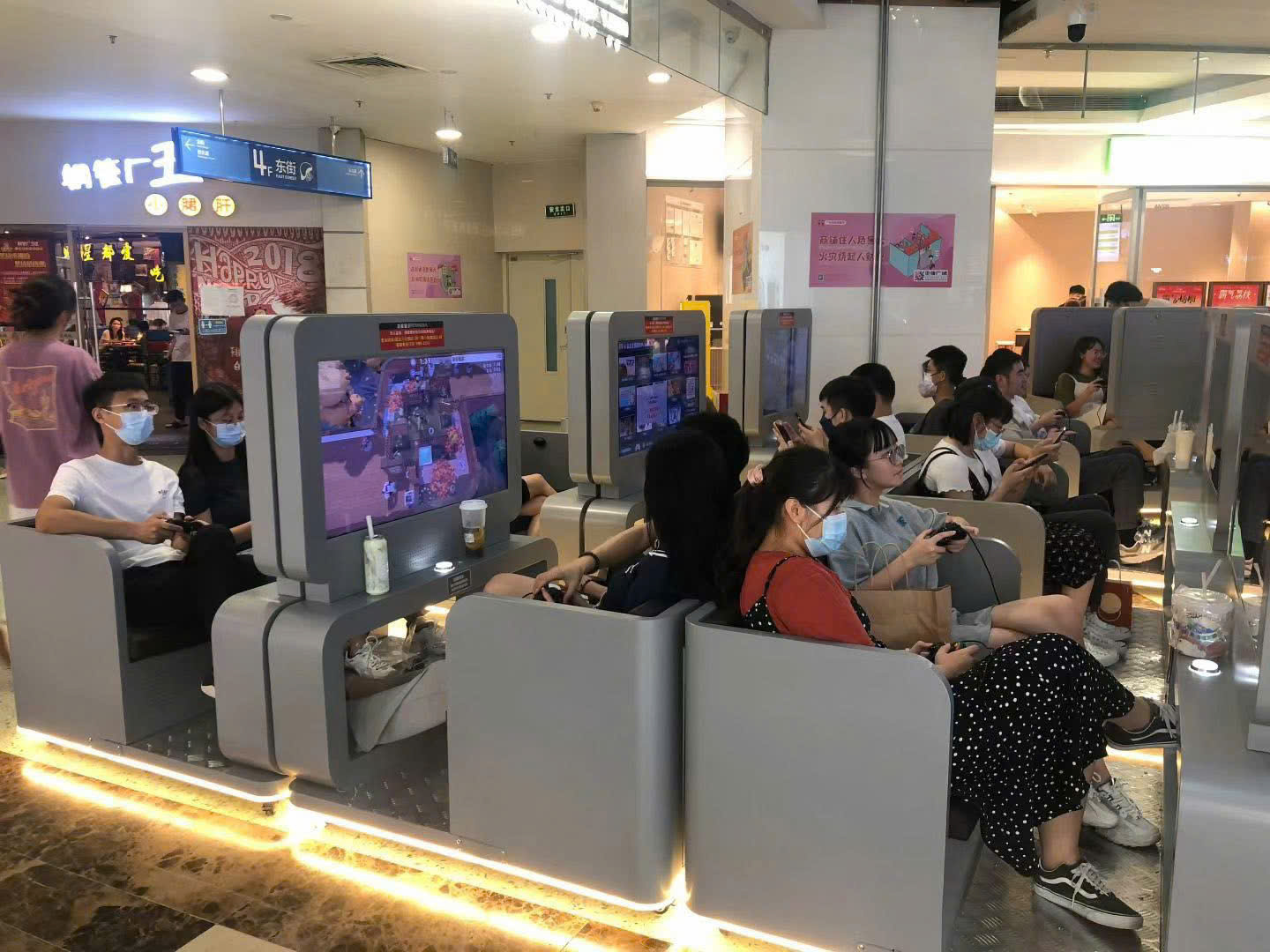
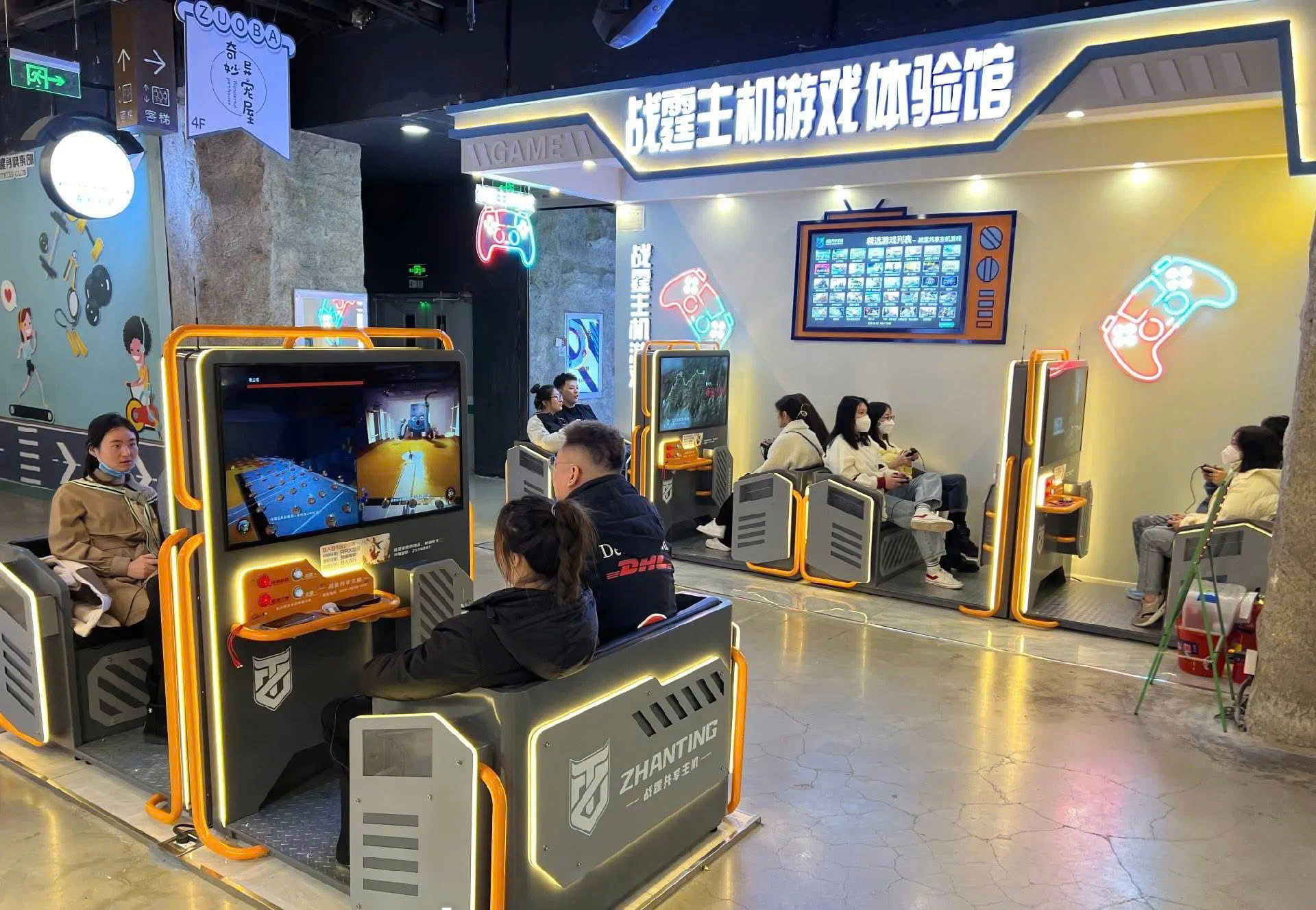
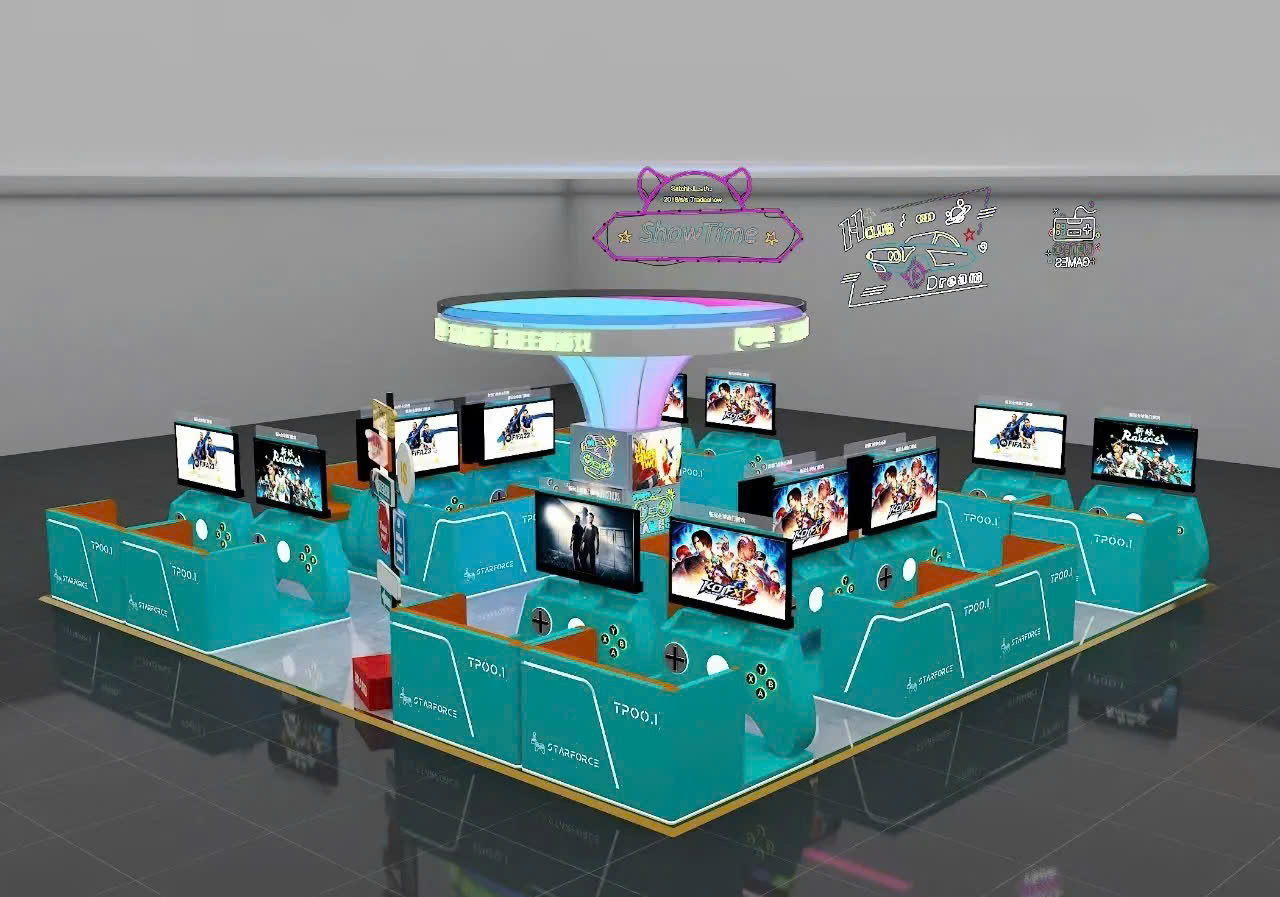
The handheld gaming machine 2-player variant takes this concept further by incorporating dual controller setups, split-screen or competitive gameplay modes, and seating arrangements that encourage head-to-head competition. This social dimension is what sets the handheld gaming machine 2-player apart from standard single-player arcade units. Two players can compete directly against each other in fighting games, race side-by-side in driving titles, or team up in cooperative adventures. This flexibility makes the handheld gaming machine 2-player appealing to a broader audience.
1.2 Market Growth and Potential Handheld gaming console
The global arcade gaming market is projected to grow significantly over the next several years. Several factors contribute to this growth. The generational shift means Millennials and Gen Z, who grew up with gaming, now have disposable income and seek premium experiences. The experience economy has consumers valuing memorable experiences over material goods. Technological advancement has brought console-quality graphics and gameplay to arcade machines. And the rise of social entertainment means multiplayer gaming drives longer visit durations.
The handheld gaming machine 2-player specifically addresses the social entertainment trend, making it a strategic choice for game center investors looking to differentiate their offerings from competitors who may still rely on outdated equipment.
PART 2: THE EVOLUTION FROM TRADITIONAL ARCADES TO MODERN HANDHELD GAMING MACHINES
2.1 The Decline of Legacy Arcade Models
Traditional arcade machines, including claw machines, shooting games, and racing simulators, have been staples of game centers for decades. However, these legacy attractions face several serious challenges.
First, many rely on luck rather than skill, which leads to limited engagement and a feeling of helplessness among players. Second, repetitive gameplay with simple mechanics leads to boredom and shorter play sessions. Third, these machines have low revenue per square foot – a large footprint with limited earning potential makes them inefficient use of valuable floor space. Finally, they have narrow demographic appeal, primarily attracting children while failing to capture the lucrative teen and adult markets.
The handheld gaming machine addresses these shortcomings by offering skill-based, varied, and highly engaging gameplay that keeps players coming back week after week.
2.2 The Rise of Premium Arcade Experiences
Modern game centers are evolving from simple arcades into comprehensive entertainment destinations. This transformation has created demand for attractions that offer high-quality graphics and sound, comfortable and immersive environments, rewarding gameplay mechanics, and social and competitive experiences.
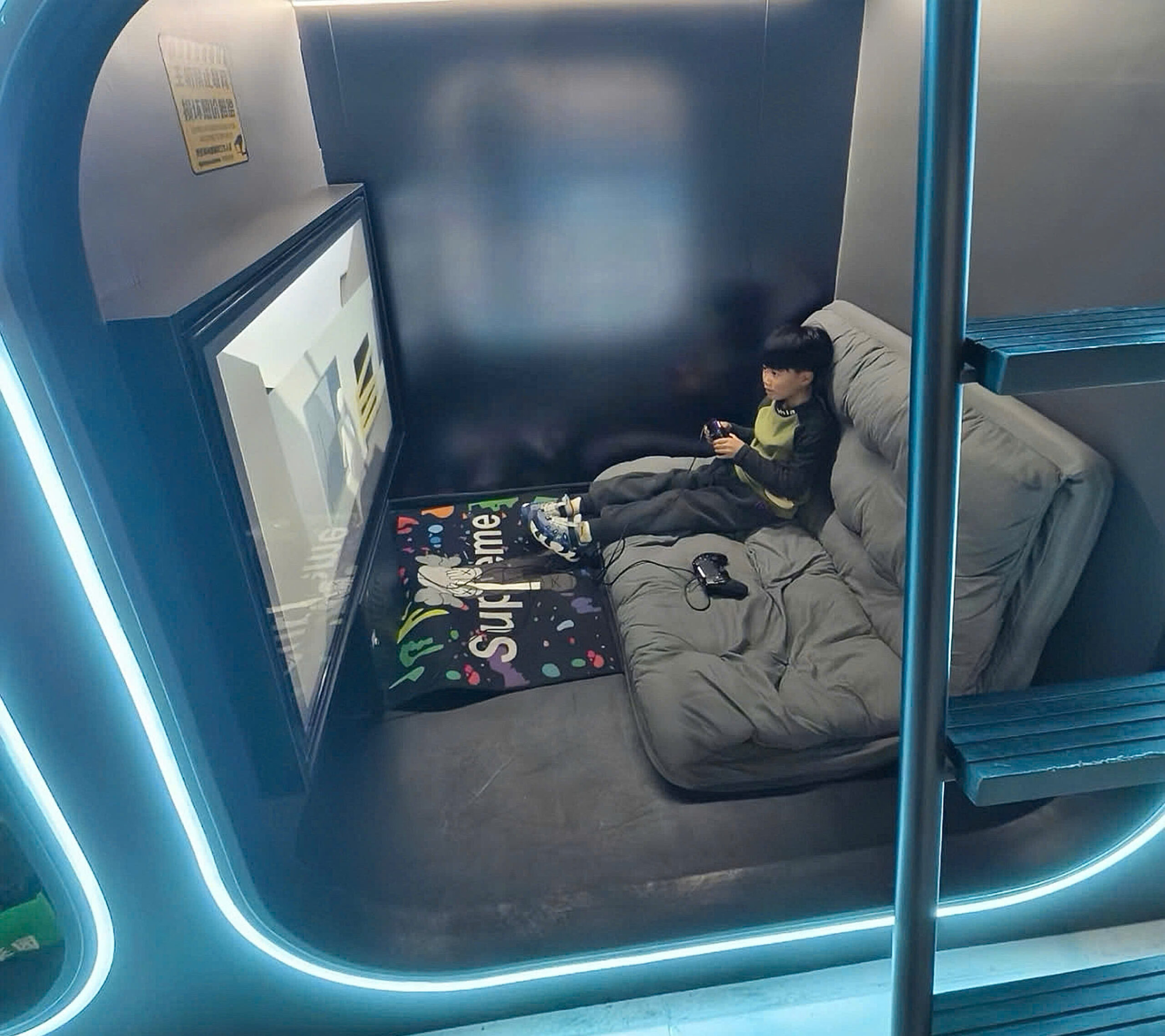
The handheld gaming machine 2-player embodies all these qualities. Its premium design makes it visually appealing and invites players to sit down and stay awhile. Its extensive game library ensures there is always something new to try. Its social gameplay turns gaming into a shared experience that creates memories and builds community. All of these factors combine to make it the centerpiece of any modern game center.
>>> See more: Máy bắn cá 6 người chơi
PART 3: KEY FEATURES OF THE HANDHELD GAMING MACHINE 2-PLAYER
3.1 Hardware Specifications
A typical commercial handheld gaming machine features a 32-inch or larger HD screen that provides an immersive visual experience. It comes with dual wireless professional-grade controllers that offer low latency and precise control. The seating is leather-upholstered and ergonomically designed for comfort during extended play sessions. The frame is constructed from durable metal to withstand the rigors of continuous public use. The machine typically measures approximately 130cm wide, 180cm deep, and 153cm tall, making it an imposing and attractive centerpiece. Casters are included for easy repositioning and flexible floor planning. A standard 12-month warranty provides peace of mind for operators.
The handheld gaming machine 2-player includes two controller sets and seating designed for side-by-side or facing competition, enhancing the social gaming experience. The seating arrangement is carefully designed so players can see each other’s reactions, adding to the competitive atmosphere.
3.2 Software Library Handheld gaming console
The software library is where the handheld gaming machine truly shines. These machines typically come pre-loaded with 500+ “bomb-titan” (blockbuster) games spanning multiple genres to ensure broad appeal.
For action RPG fans, Black Myth: Wukong offers stunning visuals and deep gameplay that has taken the gaming world by storm. Racing enthusiasts can enjoy Forza Horizon with its open-world driving experience and breathtaking graphics. Fighting game fans will appreciate Tekken 8 with its next-gen graphics and smooth, intense combat that is perfect for the handheld gaming machine 2-player dynamic. The library also includes shooting games, sports titles like FIFA and NBA, adventure games, and many more.
The library is regularly updated via USB, ensuring the handheld gaming machine remains fresh and relevant for returning customers. This eliminates a key problem in the arcade industry: player boredom. There is always a new game to try or a new challenge to conquer.
3.3 Reward and Redemption Systems
A defining feature of the modern handheld gaming machine is its integration with reward mechanics. Unlike home consoles, commercial handheld gaming machines dispense tickets or tokens based on gameplay performance. This creates a powerful psychological incentive that transforms a simple gaming session into a rewarding experience.
Players earn rewards after each round or when achieving high scores. These tickets can be exchanged for prizes ranging from plush toys and models to snacks and merchandise. The “dopamine loop” of earning and redeeming keeps players engaged and coming back for more. When a player receives a reward, they experience a feeling of achievement and validation, which encourages them to play again to earn more.
For the handheld gaming machine 2-player, this reward system creates friendly competition, as players strive to outperform each other and earn more tickets. This competitive element is a key driver of customer retention and repeat visits.
PART 4: WHY THE HANDHELD GAMING MACHINE 2-PLAYER IS A HIGH-POTENTIAL INVESTMENT
4.1 Revenue Generation and ROI Handheld gaming console
The handheld gaming machine offers compelling financial returns that make it an attractive proposition for game center operators.
Commercial handheld gaming machines typically achieve ROI within 6-10 months, compared to 12-18 months for traditional arcade equipment. This faster return on investment means operators can recoup their initial outlay more quickly and start generating profit sooner. The machines generate higher revenue per square foot because premium experiences command premium pricing. Players are willing to pay more for a high-quality gaming experience than for a simple claw machine or shooting game.
For the handheld gaming machine 2-player, revenue is further enhanced by dual revenue streams – two players paying per session doubles hourly revenue. The spectator effect means competitive matches draw crowds, encouraging others to play and creating a lively atmosphere. Group bookings for events, birthdays, and team-building activities provide additional revenue opportunities. Longer stays lead to more ancillary spending on food and drinks, further boosting overall revenue.
4.2 Customer Retention and Loyalty
The combination of high-quality gaming and reward mechanics creates exceptional customer loyalty that is the bedrock of a successful game center.
Research indicates that machines with reward systems retain players 2-3 times longer than standard arcade machines. Weekly return rates of 45-60% for reward-enabled handheld gaming machines, compared to just 15-20% for non-reward machines, demonstrate the power of this approach. Average customer stay time increases from 45 minutes to 2.5 hours when handheld gaming machines 2-player are available, dramatically increasing the opportunity for revenue generation.
This loyalty is built on the psychological principle of variable rewards – players never know exactly when they will earn a big payout, so they keep playing. The social aspect of the handheld gaming machine 2-player adds another layer of loyalty, as players form rivalries and friendships around the machine.
4.3 Case Study: Successful Implementation
A game center in District 7, Ho Chi Minh City, provides a compelling example of the handheld gaming machine investment potential. Before installation, the center relied heavily on claw and fish-shooting machines, generating monthly revenue of approximately 150 million VND. After replacing half of these machines with 10 PC-based gaming stations featuring high-end specs, the results were dramatic.
Monthly revenue increased by 120%, from 150 million to 330 million VND. The number of teen and adult customers tripled, expanding the center’s customer base significantly. Average customer stay time jumped from 45 minutes to 2.5 hours, more than tripling. Ancillary revenue from drinks and snacks increased by 80%.
This case study demonstrates that the handheld gaming machine 2-player is not merely an addition but a transformation of the entire business model. The key to success was not just the hardware but the entire package: high-quality machines, a compelling reward system, and a modern, comfortable environment.
PART 5: COMPETITIVE ANALYSIS Handheld gaming console
5.1 Comparison with Consumer Consoles
Some operators consider renting consumer consoles like the Nintendo Switch or PlayStation. However, the commercial handheld gaming machine offers clear advantages that make it the superior choice for game centers.
The initial investment for consumer console rentals is typically higher, ranging from 25-35 million VND per unit, compared to 18-28 million VND for a dedicated commercial handheld gaming machine. Consumer consoles lack integrated reward systems, which are a key driver of engagement and loyalty. The game library for consumer consoles must be purchased separately, adding to the cost, while commercial machines come with 500+ games included. Consumer consoles have no integrated management system for tracking time, payouts, and performance. They also have only moderate durability and are not designed for the high-wear demands of public use. ROI for consumer console rentals typically takes 12-18 months, compared to just 6-10 months for commercial machines.
5.2 Comparison with Other Arcade Attractions
When compared to claw machines, shooting games, or racing simulators, the handheld gaming machine stands out in several key areas.
While a claw machine offers only one game and requires minimal skill, the handheld gaming machine offers 500+ games that require high skill and engagement. Social interaction is low with claw machines but high with the handheld gaming machine 2-player. Claw machines primarily appeal to children, while the handheld gaming machine attracts all ages, particularly the valuable 15-35 demographic. While claw machines have reward systems, they are luck-based, whereas the handheld gaming machine rewards skill, creating a more satisfying experience.
PART 6: TARGET DEMOGRAPHICS FOR THE HANDHELD GAMING MACHINE 2-PLAYER
6.1 Primary Audience: 15-35 Years Old
The handheld gaming machine appeals primarily to the 15-35 age demographic. This group grew up with video games and has high gaming literacy. They have disposable income and are willing to spend on premium experiences. They value social, competitive, and shareable entertainment, and they actively seek “Instagram-worthy” experiences to share with their social networks.
The handheld gaming machine 2-player caters perfectly to this audience’s desire for social competition and achievement. Whether it’s settling a friendly rivalry in a fighting game or teaming up to beat a cooperative challenge, the handheld gaming machine 2-player provides the shared experience this demographic craves.
6.2 Secondary Audiences Handheld gaming console
Beyond the primary demographic, the handheld gaming machine 2-player appeals to several secondary audiences. Families enjoy it because parents and children can play together, creating quality bonding time. Groups and parties find it ideal for birthdays and team-building activities. Tourists seeking unique entertainment experiences are drawn to high-quality machines. Corporate events use it for team bonding through friendly competition. Couples enjoy it as a date night entertainment option.
This broad appeal makes the handheld gaming machine 2-player a versatile investment that can attract diverse customer segments throughout the day and week.
PART 7: FUTURE TRENDS IN THE HANDHELD GAMING MACHINE MARKET
7.1 Technological Advancements
The handheld gaming machine will continue to evolve with advances in display technology, with 4K and even 8K screens becoming standard in the coming years. Virtual reality integration is on the horizon, with VR-enabled handheld gaming machines already in development. Cloud gaming will expand game libraries further by allowing streaming of even more titles without the need for local storage. AI-driven difficulty will adapt to player skill levels, keeping players challenged and engaged without becoming frustrated. Cross-platform play will allow arcade players to compete with home console users, expanding the player base and creating new competitive opportunities.
The handheld gaming machine 2-player will particularly benefit from advancements in online multiplayer and cross-platform compatibility, allowing players at the arcade to compete against friends at home or against players at other arcades.
7.2 Emerging Market Opportunities Handheld gaming console
Several regions represent emerging opportunities for handheld gaming machine investment. Southeast Asia, with its growing middle class and gaming culture, is a key market. Europe and North America are seeing experiential entertainment driving demand for premium machines. The Middle East has luxury venues adopting high-end handheld gaming machines. Latin America is expanding its entertainment sector and represents a growth opportunity. Handheld gaming console
PART 8: INVESTMENT CONSIDERATIONS AND RISK MANAGEMENT
8.1 Factors to Evaluate Before Investing
Before investing in a handheld gaming machine, operators should evaluate several critical factors.
Location is paramount – high-traffic areas with the right demographic are essential for success. Space requirements must be considered, ensuring adequate floor space for the handheld gaming machine 2-player and spectator area. Maintenance is an ongoing consideration, as commercial handheld gaming machines require regular maintenance to ensure uptime and player satisfaction. Game updates are necessary to keep software libraries fresh and maintain player interest. Staff training ensures employees can operate and troubleshoot machines effectively.
8.2 Risk Mitigation Strategies Handheld gaming console
Several strategies can help mitigate investment risks. Starting with a few units and scaling based on performance reduces initial exposure. Regular maintenance and having backup units available minimizes downtime from technical issues. Regular game updates and tournaments maintain interest and prevent declining engagement. Differentiating with unique game selections and events helps compete with other entertainment options. Promoting during peak seasons and offering packages helps manage seasonality. Handheld gaming console
PART 9: MARKETING STRATEGIES FOR THE HANDHELD GAMING MACHINE 2-PLAYER
9.1 Online Presence
A strong online presence is essential for promoting the handheld gaming machine 2-player. Social media platforms should feature videos of intense competitions to generate excitement and showcase the experience. Influencer partnerships with gamers can help reach new audiences. The game center’s website should feature the handheld gaming machine 2-player prominently. Online booking allows customers to reserve machines in advance, ensuring availability and encouraging planning. Handheld gaming console
9.2 In-Center Promotion Handheld gaming console
In-center promotion is equally important. Tournaments hosted regularly create community and drive traffic. Reward programs encourage repeat visits through loyalty points and special offers. High-traffic placement of machines in visible, central locations ensures they are seen and tried. Bundled packages combine handheld gaming machine time with food and drinks, increasing average transaction value. Leaderboards displaying high scores create ongoing competition and encourage repeat attempts.
PART 10: CONCLUSION Handheld gaming console
The handheld gaming machine represents a paradigm shift in the arcade and game center industry. No longer just simple entertainment, these machines are sophisticated revenue-generating attractions that combine premium gaming experiences with powerful reward mechanics.
The handheld gaming machine 2-player is particularly significant in this context. By enabling social competition, it addresses the growing consumer demand for shared, memorable experiences. The data confirms its potential with 120%+ revenue increases documented in case studies, 6-10 month ROI timelines compared to 12-18 months for alternatives, 45-60% weekly return rates with integrated reward systems, and 2.5 hours average stay time versus 45 minutes for traditional machines.
For game center investors, the message is clear. The handheld gaming machine – especially the handheld gaming machine 2-player – is not just a trend but a strategic investment for the future. As technology advances and consumer expectations evolve, those who embrace these machines will be well-positioned to dominate the entertainment market.
The question is no longer whether to invest in the handheld gaming machine, but how quickly you can integrate it into your game center to capture its transformative potential. The early adopters are already seeing the benefits, and the window of opportunity is wide open for those ready to make the move. Handheld gaming console
>>>See more: Máy Game Tay Cầm Trả Thưởng – Xu Hướng Kinh Doanh Đột Phá Cho Mọi Không Gian Giải Trí